The Unseen Danger of Spring Break: Fentanyl's Shadow and Narcan's Lifesaving Light
Spring Break. The words conjure images of sun-drenched beaches, vibrant nightlife, and carefree revelry. Yet, beneath the surface of this annual tradition lies a grave, often unseen, danger: the pervasive threat of fentanyl-laced illicit drugs. As thousands of students and vacationers descend upon popular destinations, particularly in Florida, law enforcement and public health officials are stepping up efforts to combat a silent killer. Their primary weapon? Education and widespread access to Narcan, the opioid overdose reversal medication. Understanding the critical role of Narcan this Spring Break is no longer just recommended; it's a matter of life and death.
Fentanyl's Hidden Peril: A Tiny Dose, A Catastrophic Outcome
The opioid crisis continues to cast a long shadow across communities nationwide, and Florida is tragically at its epicenter, reporting an average of 21 opioid-related deaths daily. What makes the current situation uniquely terrifying, especially for young people experimenting with drugs, is fentanyl. This synthetic opioid is up to 50 times stronger than heroin and 100 times stronger than morphine. A dose as small as a few grains of salt can be lethal.
The insidious nature of fentanyl lies in its stealth. Drug dealers often mix it with other illicit substances like cocaine, ecstasy, or counterfeit pills (such as those mimicking Adderall or Xanax) to increase potency and addictiveness, often without the buyer's knowledge. The horrifying reality is that individuals seeking a recreational high may unknowingly consume a fatal dose of fentanyl. A stark example of this played out on Florida's East Coast last year, where six West Point Cadets were hospitalized after overdosing on what they believed was cocaine, only to discover it was laced with fentanyl. This incident, among many others, underscores the urgent need for awareness and preparedness.
As Shelby Meaders, Executive Director of the Florida Harm Reduction Collective, aptly puts it, "People are taking an opioid, and they don't realize that they're taking an opioid. They don't realize that maybe they're consuming fentanyl and cocaine or a different type of drug supply, and people are overdosing and not having Narcan on hand." This lack of awareness, combined with the extreme potency of fentanyl, creates a deadly cocktail for unsuspecting spring breakers.
Why Spring Break amplifies the Risk
Spring Break environments inherently heighten the risk of drug-related incidents. The celebratory atmosphere, coupled with peer pressure, unfamiliar surroundings, and a sense of invincibility, often leads to increased experimentation with substances. For many, it's their first time away from home in an unsupervised setting, making them more vulnerable. The sheer volume of people flocking to popular destinations like Pinellas County or Miami Beach creates a complex challenge for authorities trying to maintain safety.
The numbers speak for themselves. In Pinellas County, accidental drug overdose deaths have climbed every year since 2018. Of the 618 accidental overdose deaths recorded in 2021, a staggering 418 were directly attributed to fentanyl. These statistics are not just abstract figures; they represent lives cut short and families shattered. The influx of hundreds of thousands of visitors during what could be another record-breaking Spring Break season makes preventative measures and rapid response capabilities more critical than ever.
The potential for a single bad batch of drugs to cause multiple overdoses in a crowded area is a terrifying prospect. This is why a proactive, harm-reduction approach, centered on education and immediate access to life-saving tools, has become paramount for officials in Florida and beyond.
Narcan to the Rescue: A Lifesaving Tool for Every Spring Breaker
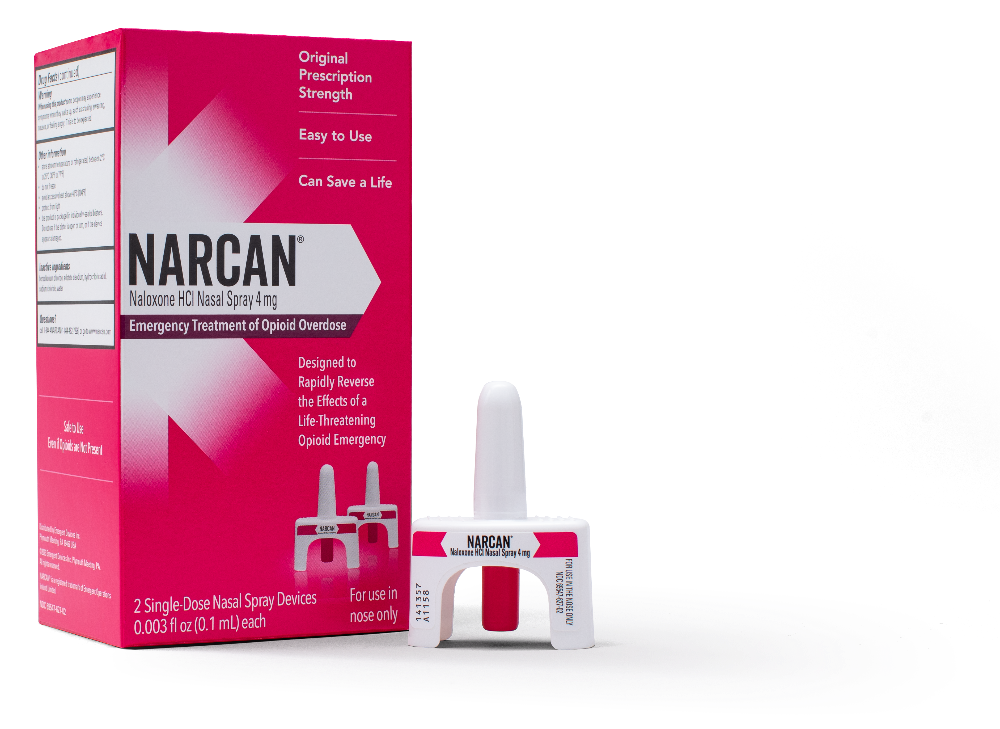
In the face of such a potent threat, Narcan (naloxone) emerges as a beacon of hope. This FDA-approved medication can rapidly reverse the effects of an opioid overdose. Administered as an easy-to-use nasal spray, Narcan works by blocking the opioid receptors in the brain, restoring normal breathing within minutes. It's safe, non-addictive, and has no effect if someone hasn't taken opioids, making it a crucial tool for bystanders in an emergency.
Organizations like the Florida Harm Reduction Collective are collaborating with county opioid task forces, distributing free Narcan kits and providing essential training to spring breakers and local businesses. "It's a really easy nasal spray you can use," Meaders explains. "You can get it for free, and you can save a life by having it on hand." This initiative involves teaching people:
- Signs and Symptoms of an Opioid Overdose: Pinpoint pupils, unresponsiveness, slow or stopped breathing, gurgling sounds, blue lips or fingertips.
- How to Administer Narcan: A simple nasal spray, typically one dose per nostril, followed by calling 911.
- How to Obtain Free Narcan: Awareness of distribution points and programs.
The effectiveness of these programs is clear. The Pinellas County Sheriff's Office administered Narcan 172 times in 2022, an increase from 162 times in 2021, showcasing its vital role in saving lives on the front lines. The availability of Narcan empowers individuals to act decisively in an emergency, turning a potential tragedy into a second chance at life.
Community-Wide Efforts: Equipping Cities and Citizens
Florida cities, recognizing the severity of the fentanyl crisis during Spring Break, are implementing comprehensive safety strategies. Miami Beach, for instance, is intensifying its efforts, deploying police officers equipped with Narcan and emphasizing fentanyl awareness. Police Chief Wayne Jones underscored the department's proactive stance, stating, "This is something that we don't want to see," referring to the devastating consequences of fentanyl-laced drugs.
Similarly, Fort Lauderdale has tightened its Spring Break rules, integrating Narcan accessibility into its safety protocols. These proactive steps reflect a broader shift towards harm reduction, acknowledging that simply deterring drug use isn't enough; preparing for and mitigating its worst effects is equally crucial. For more details on localized efforts, you can read about Narcan Spring Break: Pinellas County Offers Free Kits & Overdose Education and Florida Cities Prioritize Safety: Equipping Spring Break Police With Narcan.
Beyond law enforcement, community organizations are spearheading direct distribution. In Pinellas County, free Narcan kits are readily available at several locations Monday-Friday from 8 a.m. to 5 p.m.:
- St. Petersburg – 205 Dr. Martin Luther King Jr. Street North
- Pinellas Park – 6350 76th Avenue North
- Largo – 8751 Ulmerton Road
- Clearwater – 310 North Myrtle Avenue
- Tarpon Springs – 301 S. Disston Avenue (Monday, Wednesday and Friday only)
Furthermore, businesses like hotels, restaurants, and bars are being educated on having Narcan on hand and how to administer it. This comprehensive approach transforms the entire community into a network of potential lifesavers, recognizing that an overdose can happen anywhere, anytime.
Staying Safe During Spring Break: Practical Tips
While Narcan is a vital safety net, prevention and awareness remain paramount:
- Assume Fentanyl is Present: Treat any illicit substance as potentially containing fentanyl. There is no way to visually detect it.
- Don't Use Alone: If you or a friend choose to use drugs, never do so alone. Have someone present who knows how to recognize an overdose and administer Narcan.
- Carry Narcan: Obtain free Narcan and know how to use it. It could save your life or a friend's.
- Test Your Drugs (with Caution): Fentanyl test strips are available and can detect fentanyl in substances. However, these strips are not foolproof; a negative result does not guarantee safety, as fentanyl may be unevenly distributed.
- Know the Signs: Be familiar with the symptoms of an opioid overdose. Time is critical.
- Call 911: Always call emergency services immediately if you suspect an overdose, even if Narcan has been administered. Good Samaritan laws protect those who seek help for an overdose victim.
Conclusion
Spring Break is a time for celebration, but the hidden threat of fentanyl demands vigilance. The proactive efforts of communities, law enforcement, and health organizations to provide free Narcan and education are making a tangible difference. By empowering every individual with knowledge and access to this life-saving medication, we can turn the tide against fentanyl overdoses. This Spring Break, prioritize safety: be aware of fentanyl's danger, carry Narcan, and be prepared to save a life. Your preparedness could be the difference between a tragic end and a second chance.